- The Luxury Playbook Weekly Round-up
- Posts
- Weekly Round-up

Agenda
Spotlight
Fine Assets
Real Estate
Equities
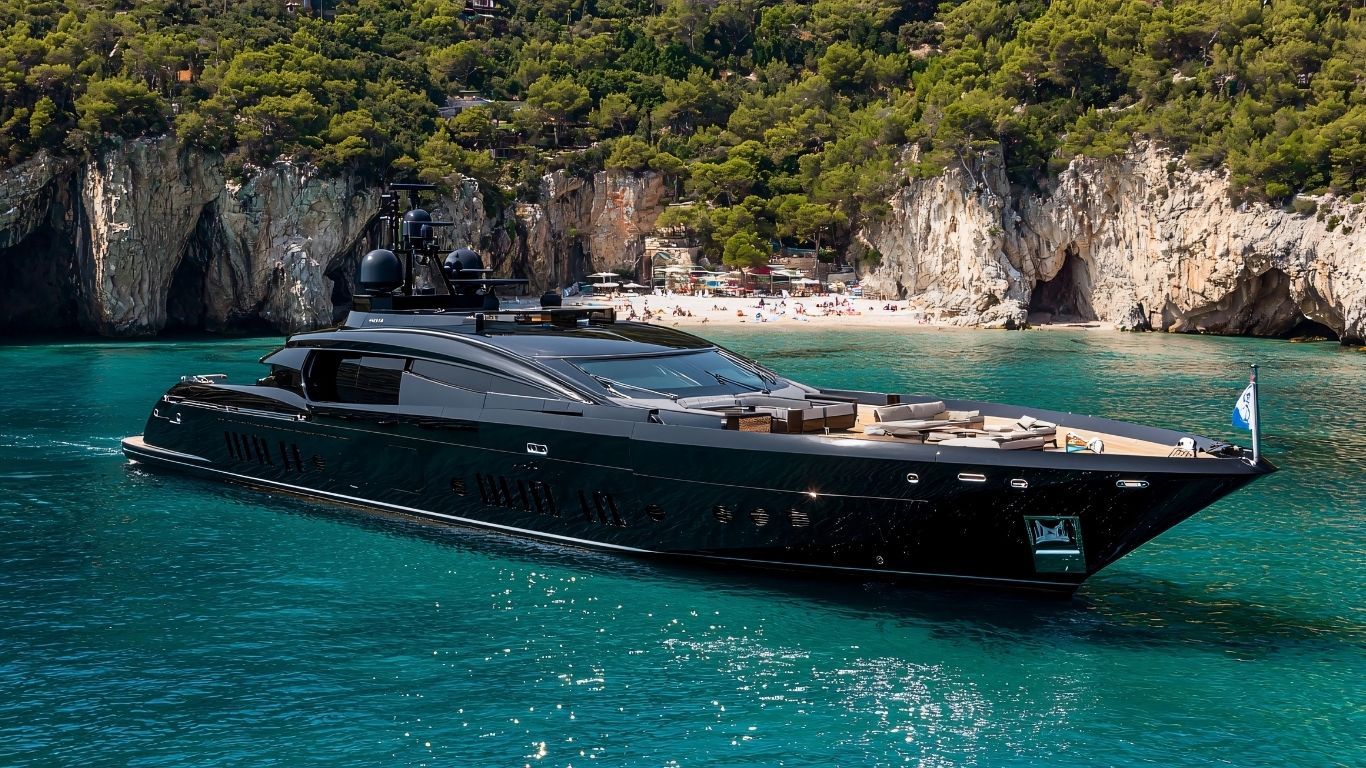
Why 2026 Is The Perfect Time To Buy A Luxury Yacht
The luxury yacht market in 2026 presents a unique convergence of favorable conditions creating an optimal buying environment for high-net-worth individuals. 2026 is considered a favorable year for yacht buyers because inventory levels are healthier, demand is steady, and pricing is predictable. This perfect storm of market stability, competitive financing rates, and valuable tax advantages makes 2026 potentially the most advantageous year to enter yacht ownership.
With a global luxury yacht market valued at USD 10.76 billion in 2026 and projected to reach USD 14.61 billion by 2031, the industry continues to attract ultra-high-net-worth individuals while adapting to regulatory pressures and technological innovation.
According to SuperYacht Times’ 2025 State of Yachting report, the global yacht market continued to show steady brokerage activity and improved new-build predictability, laying the groundwork for a more stable and balanced environment heading into 2026. Inventory levels have normalized, builder pipelines are more consistent, and pricing has settled into a healthier rhythm.

Why Gen Z Collectors Are Driving The 2026 Art Market Recovery
The global art market has officially returned to growth, with sales rising 4% in 2025 to reach $59.6 billion after two consecutive years of decline. This modest but significant recovery tells a fascinating story about changing collector demographics and purchasing behaviors. At the heart of this transformation are Gen Z collectors, who are not just participating in the market but fundamentally reshaping how art is valued, purchased, and integrated into modern life.
Younger collectors now represent a majority of art buyers globally, with millennials and Gen Z together forming nearly three-quarters of the current high-net-worth collecting cohort. What makes this shift particularly remarkable is the level of commitment these younger collectors bring to the market. Gen Z reported an average allocation of 26% of their wealth to art, surpassing many older peers, demonstrating that their involvement represents a fundamental generational reframing rather than casual experimentation.
This demographic transformation is occurring against the backdrop of the anticipated Great Wealth Transfer, with $84 trillion expected to pass from one generation to the next over the next 20 to 25 years. The convergence of this wealth transition with Gen Z’s unique approach to collecting is creating unprecedented opportunities and challenges for galleries, auction houses, and the broader art ecosystem.

Fine Wine Investment Market Rebounds As Interest Rates Fall
The fine wine investment market is experiencing a remarkable turnaround in 2026, driven by falling interest rates and renewed investor confidence after a prolonged correction. Liv-ex reported a fifth consecutive monthly rise for its key Liv-ex 100 benchmark at the end of January 2026, signaling the emergence of a sustainable recovery that could reshape portfolio allocation strategies for years to come.
This resurgence comes after the fine wine market turned to positive in September 2025 after a near three-year correction following the bull-run that peaked in October 2022. With interest rates beginning to fall and wealth managers reporting unprecedented confidence levels, the conditions are aligning for what many experts believe could be one of the most compelling fine wine investment cycles in recent history.

How Swiss Watch Tariffs Are Affecting Luxury Watch Investing In 2026
The Swiss watch industry has undergone a dramatic transformation in 2026 following the implementation and subsequent reduction of U.S. tariffs on Swiss imports.
The 39% tariffs, in effect for just 99 days, caused significant damage to what had been the Swiss watch industry’s most important and stable market.
The reduction to 15% provides relief and restores some predictability, but the industry operates in a permanently changed landscape. For luxury watch investors, this turbulent period has created both challenges and unprecedented opportunities in the secondary market.

Why Spain’s Luxury Real Estate Market Is Europe’s Top Performer
Spain’s prime property market has emerged as Europe’s standout performer in 2026, driven by global demand, scarce supply and continued price growth. Spanish property prices are expected to rise by 9.3% in 2026, more than double the European average of 4.3%.
According to the latest European Investor Intentions Survey by CBRE, Spain is now the most attractive country in Europe for real estate capital, overtaking long-established markets such as Germany, France and the United Kingdom.
Home sales in the first half of 2025 reached 379,484, the highest H1 figure since before the financial crisis and 32.6% above the decade average. Over 70% of luxury property transactions in Spain involve foreign buyers, with this figure exceeding 80% in the most popular coastal and island areas. In 2025, foreign nationals completed nearly 97,300 property purchases across the country — a new record.
Spain now sits in Europe’s Top 3 for prime revaluation, outperforming nine of twelve key property markets over the past five years. This comprehensive analysis explores why Spain has become Europe’s luxury real estate powerhouse and what this means for investors in 2026.

Stock Market Concentration Risk Reaches Historic Levels In 2026
Stock market concentration has reached unprecedented levels in 2026, creating a perfect storm of risk factors that sophisticated investors must navigate carefully.
The S&P 500’s top 10 holdings now represent 35.59% of the index, with the Herfindahl-Hirschman Index (HHI) at 185 versus a 5-year average of 142, signaling extreme concentration that hasn’t been seen in market history.
The implications for your portfolio are immediate and significant. When just 10 companies control more than a third of the entire index, a 10% drawdown in those names would drag the entire index down approximately 3.6% even if the remaining 493 stocks remain flat.
This concentration amplification effect represents a fundamental shift in how market risk operates, demanding a strategic recalibration of your investment approach.
At The Luxury Playbook, we don’t follow the market—we analyze it, decode it, and stay ahead of it.”