- The Luxury Playbook Weekly Round-up
- Posts
- Weekly Round-up

Agenda
Spotlight
Fine Assets
Real Estate
Equities

Why Smart Money Abandon Private Equity For Hedge Funds
After more than 15 years of private equity dominance, institutional investors are making a dramatic shift. University endowments, pension funds, family offices, and sovereign wealth funds are reducing their private equity allocations and moving capital back into hedge funds.
This represents a complete reversal of the trend that defined institutional investing since the financial crisis, when private equity became the default choice for sophisticated investors seeking higher returns than public markets offered.
The timing isn’t coincidental, as Private Equity’s core mechanics have stopped working as interest rates rose and exit markets froze. Meanwhile, hedge funds have quietly delivered strong performance, improved their operations, and demonstrated the value of liquidity in uncertain markets.

Experienced Wealth Managers Are Suddenly Prioritizing Art In Estate Planning
Wealth isn’t what it used to be. Today’s portfolios blend traditional and alternative assets in ways that would have seemed radical just a decade ago. Art now occupies the same spot in strategic estate planning as equities, real estate, and bonds, not as decoration, but as core wealth components requiring equal diligence.
Yet a dangerous gap persists. While financial assets benefit from meticulous documentation, quarterly statements, and automated tracking, art collections remain surprisingly informal. Pieces worth millions often exist without proper records, current valuations, or succession plans.
This contradiction has finally caught the wealth management industry’s attention, and the shift happening now will reshape how families preserve and transfer art across generations.
Over the past decade, alternative assets have moved from peripheral curiosities to central planning considerations, forcing advisers to develop entirely new frameworks for integrating tangible wealth into estate strategies.

Which European Wine Markets Are Declining And What Does It Mean For Investors?
Structural decline differs fundamentally from cyclical downturns. While cyclical markets recover when economic conditions improve, structural decline reflects permanent demand shifts driven by demographic change, evolving health policy, and cultural transformation that reshape entire industries regardless of economic cycles.
These shifts operate on generational timescales, making them predictable yet difficult to reverse once momentum builds.
For decades, alternative asset investors viewed European wine, particularly Bordeaux, Burgundy, and Italian collectibles, as stable wealth preservation vehicles that delivered both enjoyment and portfolio diversification. These markets offered tangible assets with established provenance, limited supply from geographically constrained appellations, and consistent demand from sophisticated collectors worldwide who valued both drinking pleasure and investment potential.
However, the EU Agricultural Outlook 2025-2035 report challenges this traditional view with projections that represent expert consensus rather than temporary market sentiment or cyclical pessimism. The report’s forecasts, based on rigorous analysis of demographic data, consumption trends across age cohorts, and production economics at farm level, suggest European wine faces a fundamental reshaping that investors can no longer ignore.
Unlike previous downturns driven by economic recessions or vintage quality variations, this decline stems from permanent behavioral changes among younger generations who simply consume wine differently than their parents and grandparents did.
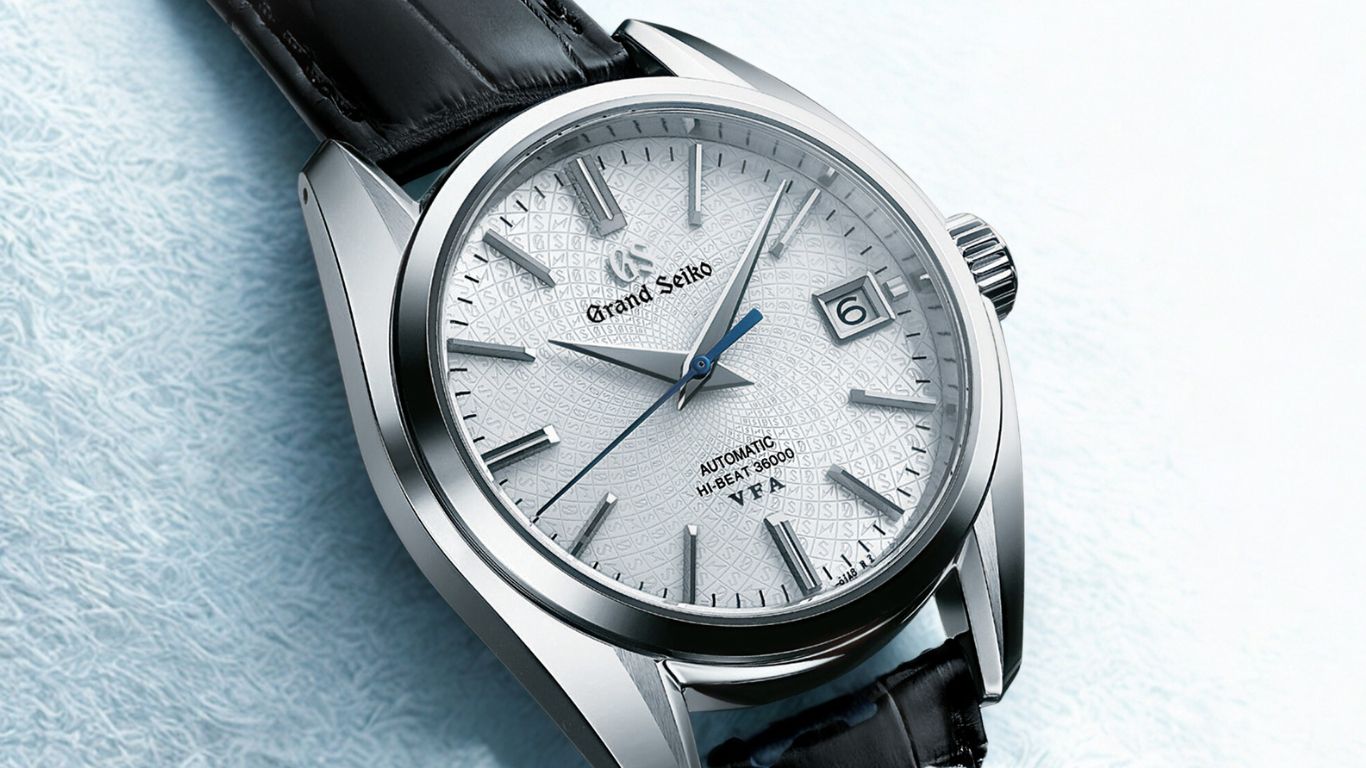
Which Vintage Seiko Models Will Appreciate The Most Over The Next Decade?
The vintage watch market has transformed dramatically over the past five years. Japanese watchmaking, once dismissed by serious collectors as inferior to Swiss brands, has shifted from overlooked to highly collectible.
Auction houses now feature vintage Seiko Models alongside Rolex and Patek Philippe, while specialist dealers who previously focused exclusively on European brands now dedicate significant inventory to Japanese timepieces.
Younger collectors are discovering that innovation and design matter as much as heritage and brand prestige, creating demand that has pushed certain vintage Seiko references to appreciation rates that rival or exceed their Swiss contemporaries.
The next decade represents a critical accumulation period before vintage Seiko reaches full institutional collector recognition. The patterns that drove appreciation in vintage Rolex, Omega, and other now-expensive categories are starting to appear in the Seiko market.
Auction house validation is building, condition premiums are widening, and supply of original examples continues shrinking.

Crypto Real Estate Purchases Are Skyrocketing In Dubai, London, and Miami
Crypto-backed property finance is scaling fast because it solves a specific problem for wealthy Bitcoin and Ethereum holders: how to unlock real estate liquidity without selling digital assets.
Enness Global reported a 214% rise in visits to its crypto-finance webpages over the past year, with over 100 crypto-secured loans arranged and a 30% increase in lenders offering these products, according to Mortgage Professional. What used to look like a niche workaround is increasingly behaving like a mainstream tool in high-net-worth finance, especially for borrowers whose balance sheet is strong but whose wealth sits in volatile, tax-sensitive assets.
The logic is simple. Instead of selling cryptocurrency and triggering a taxable disposal, borrowers post Bitcoin or Ethereum as collateral and borrow against it, preserving upside exposure while funding property purchases.
In practice, the borrowed funds can cover a deposit, bridge liquidity for completion, or in some cases finance the entire purchase price, while the crypto remains locked in custody as security. For buyers who believe their crypto will appreciate over time, the appeal is obvious: keep exposure to the asset while still acquiring real estate.
Three cities have emerged as clear leaders in this market, each offering a different mix of regulation, tax treatment, and lender depth that makes crypto-backed property transactions easier to execute at scale: Dubai, London, and Miami.

Why The Dollar Strengthens Every Time Markets Panic And How To Trade It
The U.S. dollar occupies a unique position in global finance that no other currency can replicate. As the world’s reserve currency, it benefits from deep liquid markets operating continuously across time zones, providing traders and institutions the ability to convert massive positions at any hour without significant slippage.
This liquidity advantage stems from the dollar’s backing by the world’s largest economy and most powerful military, creating a foundation of trust that transcends individual policy decisions or economic cycles.
Over 60% of global foreign exchange reserves remain denominated in dollars, while roughly 90% of all currency transactions involve USD on one side of the trade.
During periods of market stress, a predictable pattern emerges across global financial markets. Investors worldwide begin liquidating risky assets, from emerging market equities to high yield bonds, and seek preservation of capital in the most trusted stores of value they can access quickly. This flight to safety behavior represents rational risk management at individual level but creates powerful collective movements that reshape entire markets within days or even hours during acute crises.
Yet a fascinating paradox emerges when examining historical crisis episodes. Even when the United States itself is the source of the crisis, whether through subprime mortgage collapse in 2008, Silicon Valley Bank failures in 2023, or policy uncertainty surrounding elections and debt ceiling debates, the dollar often strengthens rather than weakens as global investors might intuitively expect.
At The Luxury Playbook, we don’t follow the market—we analyze it, decode it, and stay ahead of it.”