- The Luxury Playbook Weekly Round-up
- Posts
- Weekly Round-up

Agenda
Spotlight
Fine Assets
Real Estate
Equities

What Are The Cities With The Most Billionaires In 2026?
The world’s extreme wealth concentrates in ways that only become obvious when you look at the city-by-city numbers. The top 20 cities globally house a large share of the world’s 3,200+ billionaires, with roughly half residing in American and Chinese cities even though those two countries represent far less than half of the world’s population.
This isn’t random distribution. It’s the result of specific conditions that make it easier to build billion-dollar fortunes, protect them, and deploy them at scale.
Wealth migration patterns in 2026 show clear directional shifts. Asian cities, especially in India, are climbing as new fortunes form in technology, pharmaceuticals, and industrial expansion. Chinese cities are losing ground as regulatory pressure, real estate corrections, and capital mobility concerns encourage relocation.
Western financial centers remain dominant because they offer deep capital markets, institutional infrastructure, legal protections, and a mature ecosystem for managing complex wealth.
A high billionaire count creates steady demand for ultra-luxury real estate that can behave differently from broader housing markets. It supports premium services, from private banking to concierge healthcare to specialized tax and legal advisory, that employ thousands and generate long-term economic gravity.
Most importantly, it signals where capital is accumulating and where it is likely to keep flowing, which is useful for anyone trying to understand macro wealth trends rather than chasing headlines.

Art Market Forecast 2026: Why Recovery Will Disappoint Investors
The autumn 2025 New York auctions delivered a burst of optimism that felt almost desperate after a dismal first half where confidence was fragile and bidding remained selective.
Art Basel’s year-end market analysis described 2025 as “struggling” before ending strongly with approximately $2.2 billion sold in November’s marquee auctions, a headline that helped stabilize sentiment even if it didn’t fundamentally fix the market’s underlying problems.
That late surge mattered psychologically because it suggested the worst might be over, but the rally arrived only after months of collectors reassessing whether art actually functions as an investment or merely as expensive decoration that sometimes appreciates.
Bank of America’s art market update noted that fine art auction sales contracted roughly 10% year-over-year in the first half of 2025, extending a multi-year first-half downtrend, while the Art Basel & UBS Art Market Report pegged 2024 global sales at approximately $57.5 billion, down 12% year-over-year, setting a subdued benchmark for what improvement even means at this stage.
The 2026 art market forecast shows signals of similar cautious trajectory as the market accepts that demand constraints now matter as much as supply constraints, suggesting recovery may look more like rebalancing than a return to the 2021 heat when stimulus money and pandemic boredom combined to create unsustainable buying.

Vintage vs Non-Vintage Champagne: Which Is Actually Worth The Investment?
The fundamental distinction between non-vintage and vintage Champagne extends far beyond the presence or absence of a year printed on the label.
Non-vintage blends wines from multiple harvests to achieve consistent house style year after year, while vintage Champagne showcases a single exceptional harvest deemed worthy of standalone bottling.
This production difference determines not just how the wine tastes but how it ages, what it costs, and whether it has any chance of appreciating in value over time rather than simply depreciating like most consumable luxury goods.
When you see a vintage year on the bottle, you’re looking at a wine designed to evolve over decades, built with the structure and acidity to develop complex flavors that weren’t present at release. When that year is absent, you’re holding a wine engineered for immediate enjoyment, already balanced and ready to drink.
The market prices these categories differently not out of snobbery but because they represent genuinely different products with incompatible aging trajectories and investment characteristics.
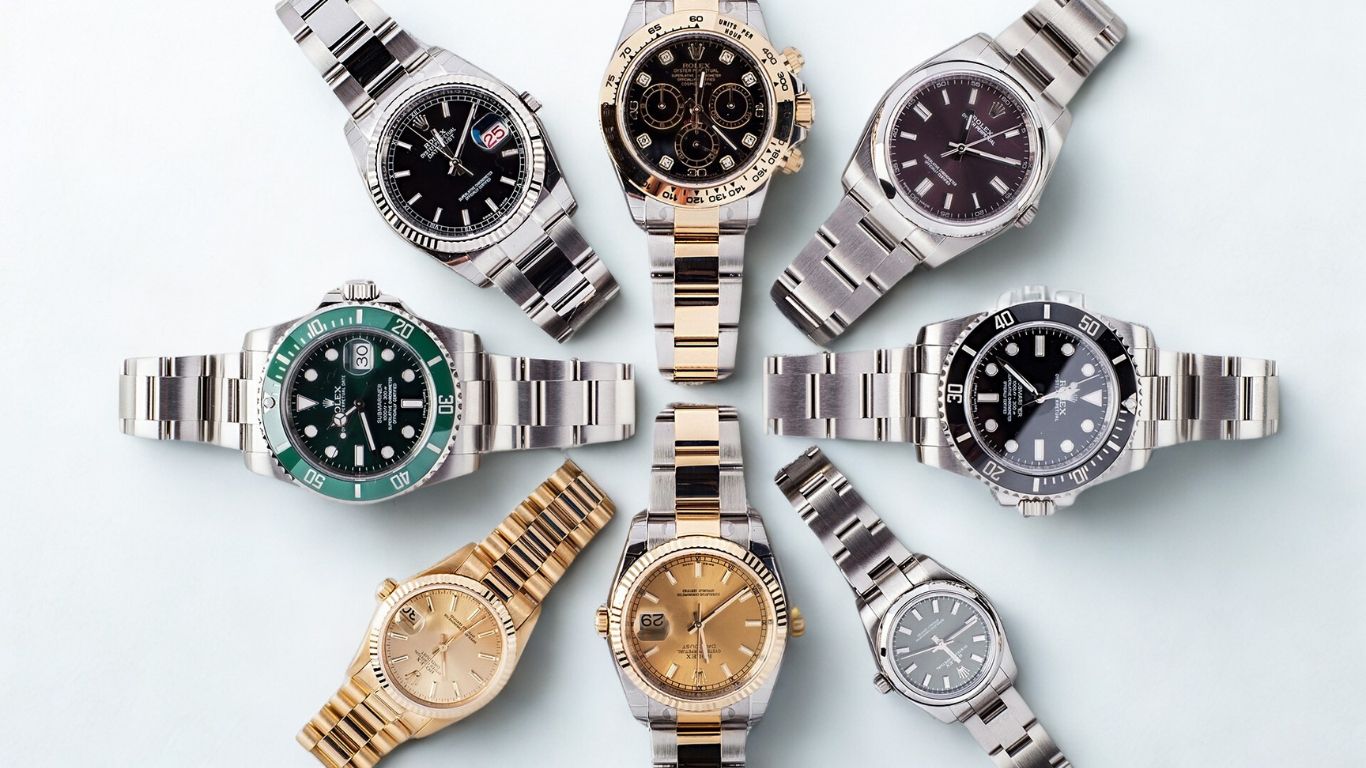
Why Luxury Watch Prices Are Rising Again After Two-Year Correction?
Luxury watch prices reached absurd heights during 2021 and 2022 when unprecedented demand collided with constrained supply to create price spirals that defied rational valuation.
Rolex Submariners traded 50% above retail on the secondary market, while Patek Philippe Nautilus references commanded six-figure premiums. Speculators treated stainless steel sports watches like growth stocks, flipping pieces for immediate profit with no intention of ever wearing them.
Then reality arrived.
Throughout 2023 and 2024, the correction played out in slow motion as prices retreated, premiums evaporated, and the market normalized in ways that felt devastating to those who bought at the peak but looked inevitable to anyone familiar with how speculative bubbles typically resolve.
The primary and secondary markets diverged sharply during this correction. Authorized dealer retail prices remained relatively stable as brands like Rolex, Patek Philippe, and Audemars Piguet maintained pricing discipline and even pushed through modest increases.
Meanwhile, the secondary market where pre-owned dealers, grey market sellers, and auction houses operate experienced dramatic corrections of 20% to 40% for many references. Watches that commanded premiums one year traded at discounts to retail the next, creating situations where patient buyers with authorized dealer access could acquire new pieces for less than impatient buyers were paying for used ones.
The question facing collectors and investors in 2026 is whether the correction has run its course or whether further pain lies ahead.
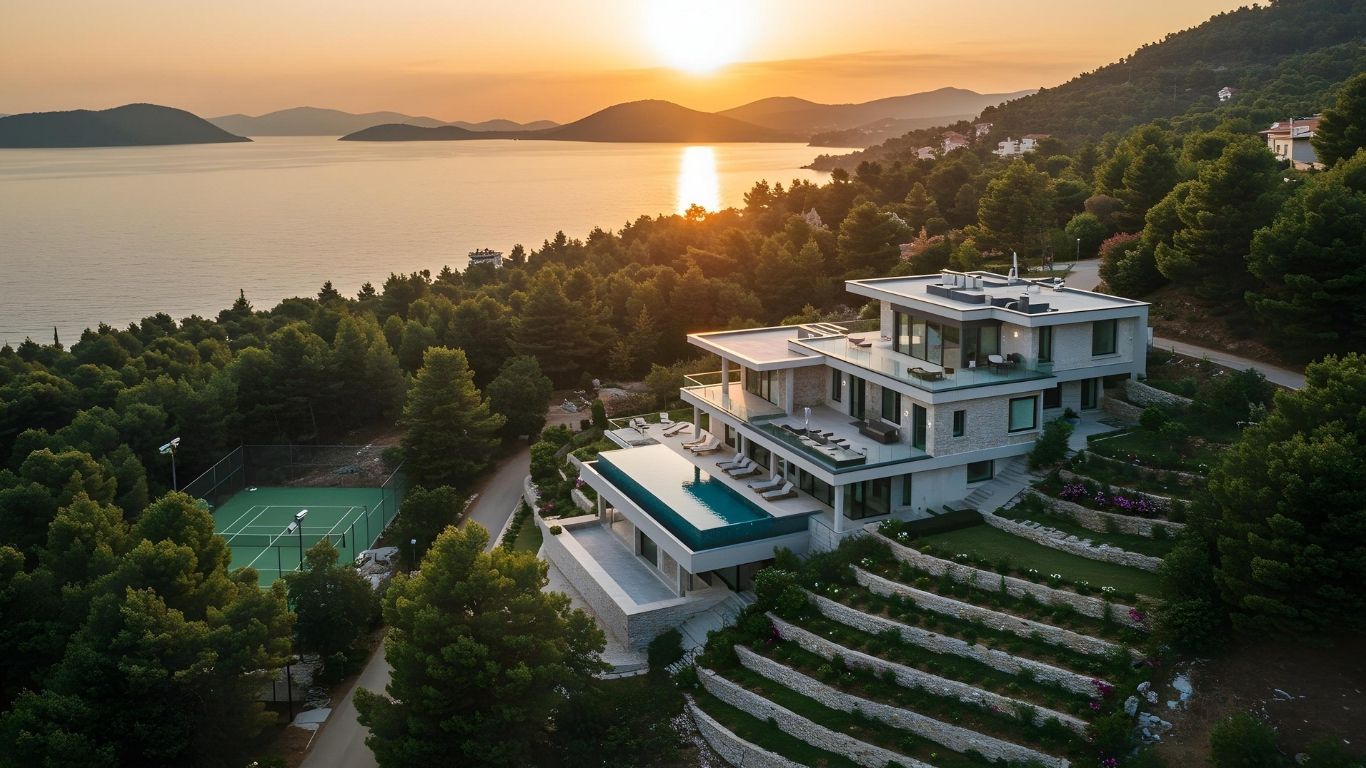
Porto Heli Real Estate Market Overview & Forecast (2026)
Porto Heli occupies a privileged position along the Peloponnese coast, facing the Saronic Gulf with protected waters and a natural harbor that has attracted sailors and travelers for centuries. The town historically served as a quiet retreat for Greeks seeking coastal escapes without the crowds that overtook more famous islands.
This low-profile appeal kept property prices reasonable while the natural beauty and geography remained unchanged, creating exactly the kind of asymmetry that sophisticated real estate investors look for when markets are on the verge of transformation.
Porto Heli is shifting from traditional Greek tourism destination to ultra-luxury market positioning through a combination of flagship hotel developments, infrastructure upgrades, and the arrival of international capital that recognizes opportunity before it becomes obvious.
Porto Heli fits this profile precisely while offering advantages that comparable markets in Spain, France, or other Greek islands cannot match at current price points.
International attention from ultra-high-net-worth individuals and institutional investors has accelerated noticeably over the past two years.
These buyers aren’t chasing the next Mykonos or trying to replicate Santorini’s appeal. They’re positioning ahead of luxury brand validation and infrastructure completion that will make Porto Heli’s advantages visible to a much broader buyer pool.

Why Forex Traders Make Money While Stock Investors Wait for Recoveries
Forex traders have one fundamental advantage over stock investors that changes everything about risk and returns: they can profit equally from markets moving up or down. When a currency pair rises 10%, traders can capture that gain. When it falls 10%, they can capture that move too, with the same ease and similar costs in both directions.
Stock investors face a very different reality. While they can technically profit from falling prices through CFDs or other derivatives, these instruments carry counterparty risks and aren’t as secure as owning actual shares.
For most retail investors, profiting from downward moves remains difficult and expensive, leaving them hoping for recoveries during bear markets.
The recent market history illustrates this gap clearly. When major stock indices fell sharply and took years to recover their peaks, buy-and-hold investors simply waited to break even. During those same periods, forex traders who followed trends captured profits in both directions as currencies rallied and sold off repeatedly.
At The Luxury Playbook, we don’t follow the market—we analyze it, decode it, and stay ahead of it.”