- The Luxury Playbook Weekly Round-up
- Posts
- Weekly Round-up

Agenda
Spotlight
Fine Assets
Real Estate
Equities

Why Every Billionaire Wants A Yacht Built In The Netherlands
The Netherlands quietly dominates global yacht building in ways that often surprise people unfamiliar with the maritime industry, producing many of the world’s most advanced and valuable superyachts from shipyards clustered around Rotterdam and the Dutch coast.
This small European nation consistently ranks among the top three worldwide for superyacht construction, punching far above its weight in an industry where reputation, technical capability, and client relationships determine who builds for the ultra-wealthy.
The scale of this dominance becomes clear when examining the numbers, with the Global Order Book 2025 placing the Netherlands at #3 worldwide with 69 projects in build or on order, totaling 4,483 meters and averaging 65 meters per vessel.
What these figures really tell you is that Dutch yards aren’t chasing volume but focusing on highly complex, high-value builds that sit in the most profitable and prestigious segment of the market.

5 Contemporary Female Artists Rewriting Auction Records
The art world’s gender gap remains staggering even after decades of discussion about equity and representation. Between 2008 and 2019, approximately $196.6 billion was spent at auction globally, yet only about $4 billion went to works by female artists according to Forbes.
That’s roughly 2% of total spending, creating what amounts to a $192 billion gender pay gap in a market that prides itself on recognizing genius and quality wherever it appears. The numbers suggest that for most of art history, the market simply wasn’t looking.
However, a BBC-backed analysis highlighted in The Guardian revealed that female artists’ work has been rising approximately 29% faster on secondary markets than male counterparts since 2022, starting from that historically suppressed base.
By 2024 and 2025, younger collectors, particularly Gen Z women, are allocating substantially larger shares of their art spending to female artists, accelerating the institutional and private rebalancing that’s been discussed for years but rarely executed with conviction.
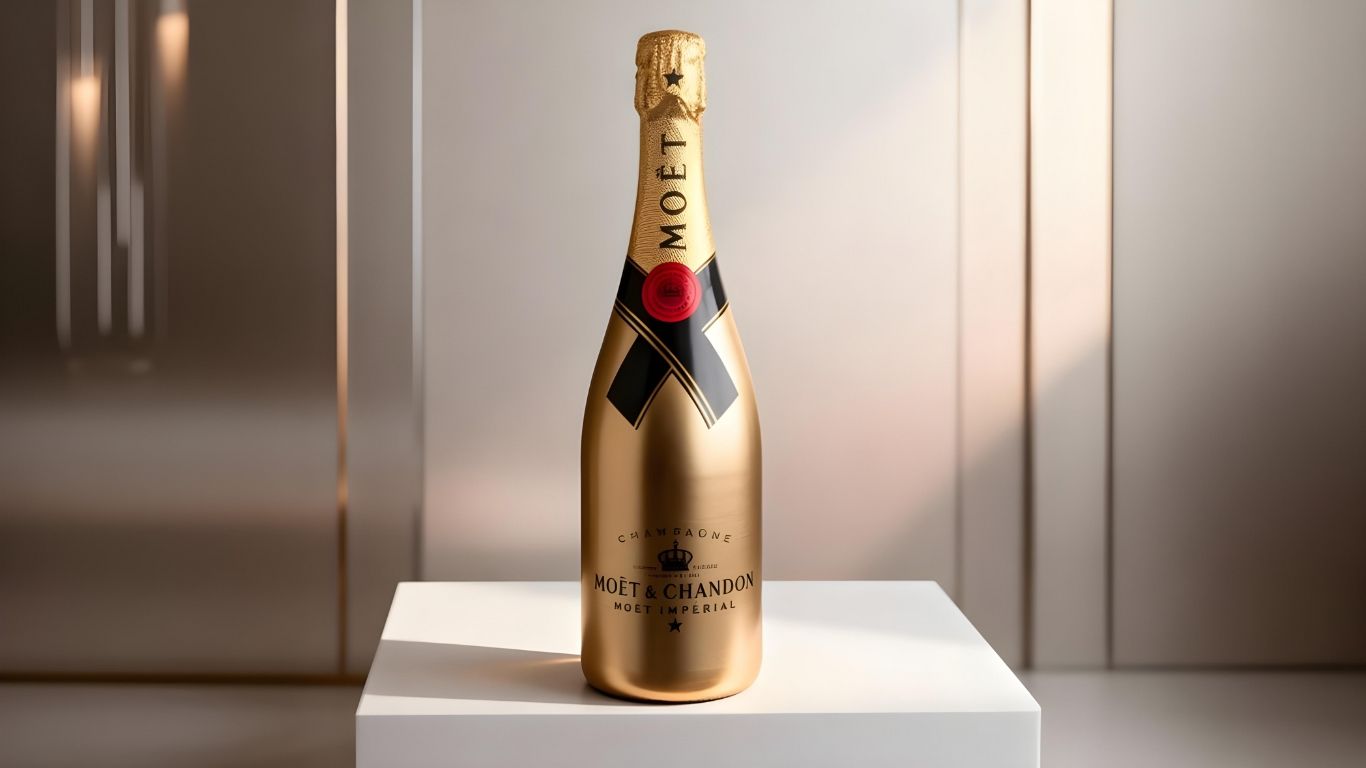
Major Champagne Houses Are Losing Consumer Confidence
Champagne has always traded on a simple promise: it’s the prestige sparkling wine that signals celebration, status, and French luxury excellence.
For over a century, this positioning held firm regardless of economic conditions or competitive pressure. Champagne wasn’t just wine. It was the beverage you chose when the occasion mattered, when you wanted to communicate that something important was happening, when ordinary wine wouldn’t convey the appropriate significance.
That cultural position supported premium pricing and allowed the region to weather challenges that would have destroyed lesser categories.
The early warning signs that this foundation is cracking appeared gradually but are now impossible to ignore. Total Champagne shipments in 2024 fell to 271.4 million bottles, down 9.2% year-over-year, with exports declining 10.8% and French domestic sales dropping 7.2% according to Comité Champagne.
Meanwhile, price corrections compound the volume pressure in ways that signal structural challenges rather than seasonal softness. Wine Lister reporting summarized by Harpers shows average Champagne prices have fallen approximately 12% globally over the past three years, even as the product remains widely distributed and highly recognized. Inventory buildups add the final element of concern.
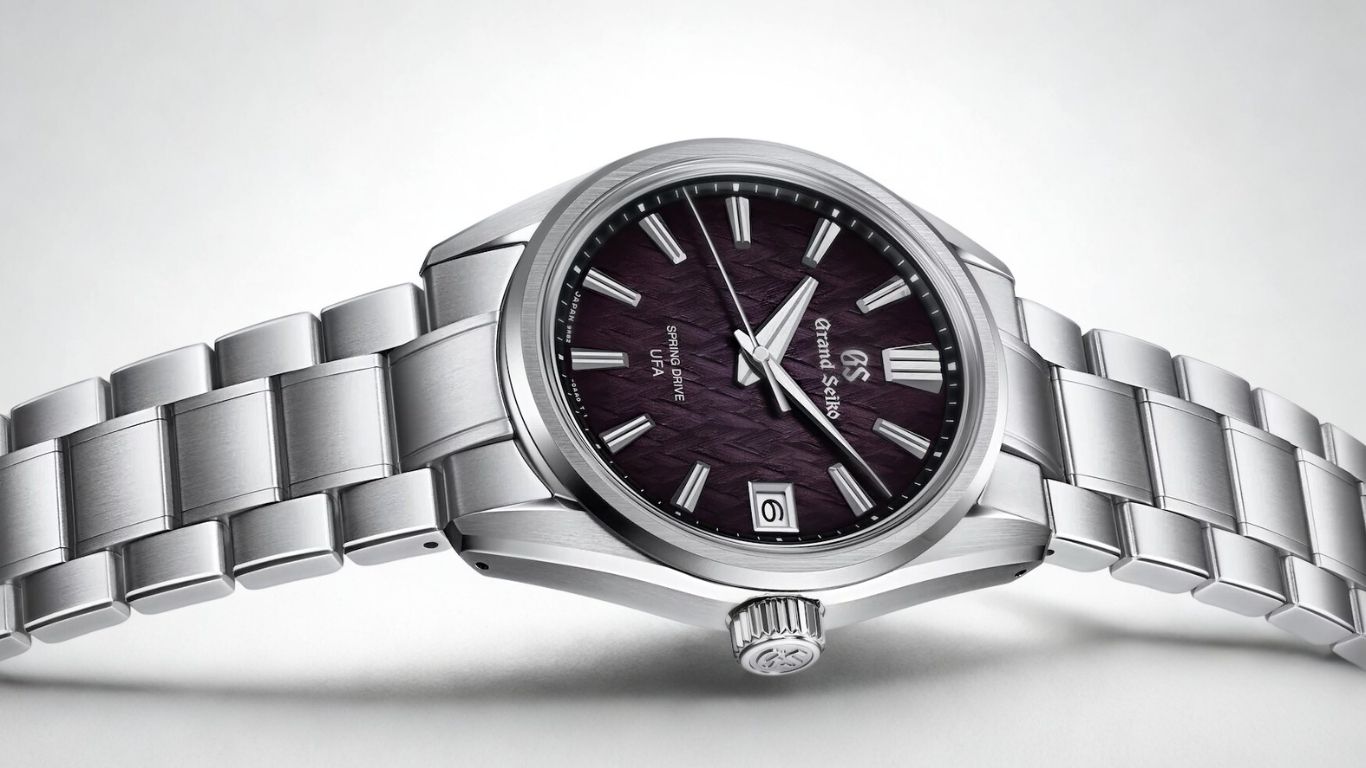
Grand Seiko’s 2025 Releases Are Outpacing Swiss Rivals
Grand Seiko’s 2025 Releases marked a turning point that serious collectors cannot ignore. The brand introduced technical innovations that don’t just approach Swiss capabilities but in several cases exceed them outright.
The U.F.A. designation Spring Drive achieving ±20 seconds per year accuracy, the high-beat Tokyo Lion chronograph, and limited editions showcasing hand-finishing that rivals anything coming from Geneva represent a maturation that moves Grand Seiko from “interesting alternative” to “legitimate choice” for collectors who previously would have defaulted to Swiss brands.
The timing coincides with growing frustration across the luxury watch market. Swiss brands face production delays stretching years for popular models, waitlist systems that have devolved into favoritism and games, and pricing inflation that has pushed formerly accessible watches into territory where buyers question whether the value proposition still makes sense.
A stainless steel sports watch requiring a two-year wait and costing $15,000 when it was $8,000 five years ago creates natural incentives to look elsewhere.
Market signals confirm this isn’t wishful thinking from Grand Seiko enthusiasts. Collector forums show increasing discussion of Japanese watchmaking as a category worth serious attention rather than curious novelty. Auction results for vintage Grand Seiko have strengthened as collectors recognize the historical significance of models that were undervalued for decades.
At the same time, secondary market demand for current limited editions indicates that buyers are willing to pay premiums for pieces they missed at retail, behavior that only appears when genuine collector interest exists rather than just brand awareness.

Can Foreign Investors Actually Buy Property In Switzerland?
Switzerland offers almost everything foreign investors typically want from real estate: political stability, rule-of-law certainty, strong infrastructure, and a currency that has historically behaved like a capital-preservation asset.
But if your question is simple, if foreign investors can actually buy property in Switzerland, the honest answer is: yes, but only in narrow, heavily regulated situations. For many non-resident buyers, Swiss residential property is not “hard to buy.” It can be functionally unavailable unless you fit into a specific permitted category.
At the center of the system is Lex Koller (officially, the Federal Act on the Acquisition of Real Estate by Persons Abroad). It restricts who counts as a “person abroad,” what kind of property they can buy, and whether a purchase requires a permit under a quota that can fill up.
To make this practical, here’s the decision logic most foreign buyers need before they spend time looking at listings:
If you are buying commercial property: restrictions are usually far lighter than for residential property—but classification and intended use matter.
If you are a non-resident foreign investor: you are generally limited to approved holiday homes in designated tourist areas, subject to permits and quotas (and availability can disappear fast).
If you hold a Swiss B permit (temporary residence): you may be able to buy one primary residence in the canton where you live (rules vary and secondary homes remain restricted).
If you hold a Swiss C permit (permanent residence): you are typically treated like a Swiss buyer for property purposes, meaning Lex Koller restrictions largely fall away.

Why Patience Is the Most Profitable Strategy in Modern Markets
Wall Street dedicates immense resources to predicting market movements and identifying perfect entry points. Yet the data tells a different story. Patience consistently outperforms prediction, and the evidence isn’t subtle, it’s overwhelming.
The S&P 500 has delivered average annual returns of approximately 10% over the past century, according to comprehensive analysis of Robert Shiller’s data compiled by The Motley Fool. This includes the Great Depression, multiple world wars, the dot-com crash, the 2008 financial crisis, and every other catastrophe that seemed like the end of the world at the time.
Through all of it, patient investors who stayed the course saw their wealth compound. Real returns adjusted for inflation show a compound annual growth rate of 9.5% nominal and 7% after inflation since the index’s inception in 1926.
The volatility accompanying these returns is significant, with monthly return standard deviation sitting at 20.81%, meaning wild swings are part of the package. Yet the index has posted annual increases 70% of the time. While it has declined by over 30% in several years, patient investors who held through those drawdowns ultimately recovered and prospered.
At The Luxury Playbook, we don’t follow the market—we analyze it, decode it, and stay ahead of it.”